
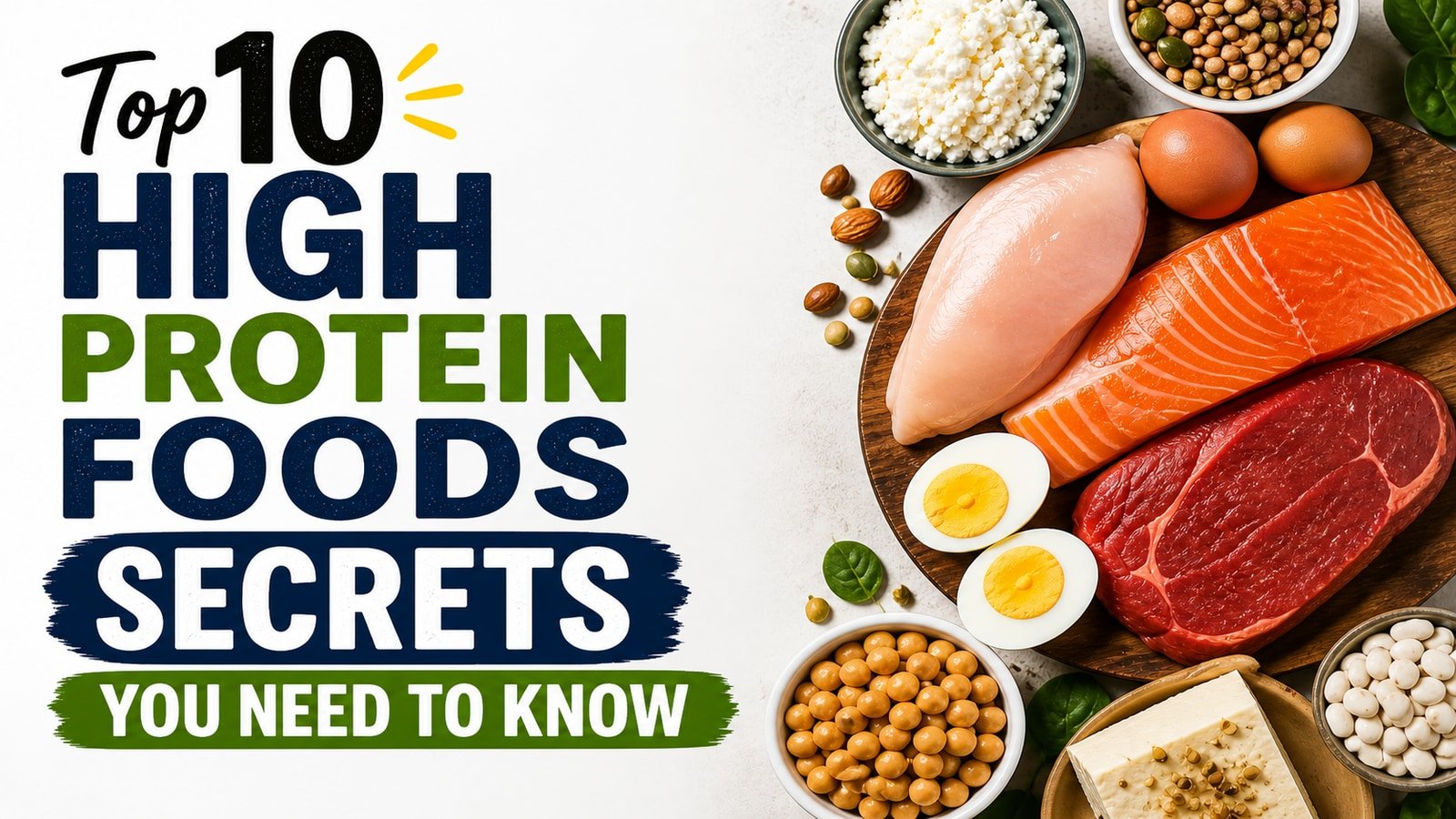
High protein foods are essential for building muscle, supporting metabolism, and keeping you full longer throughout the day. Whether you're trying to improve your fitness, lose weight, or simply eat better, prioritizing protein can make a noticeable difference in your energy levels and overall health.
From quick high protein snack ideas to balanced protein meals, understanding which foods deliver the most value helps you make smarter nutrition choices. This guide is based on the core insights from the “Top 10 High protein foods Secrets You Need to Know” and breaks them down into simple, practical tips.
Why High Protein Foods MatterLearn how protein-rich foods support muscle repair, satiety, and sustained daily energy levels.
Protein plays a key role in repairing tissues, building lean muscle, and maintaining a healthy metabolism. Unlike carbs, protein helps you feel fuller for longer, which can reduce unnecessary snacking.
Including items from a solid protein foods list—such as eggs, lean meats, dairy, and legumes—ensures your body gets essential amino acids needed for optimal performance.
Top High Protein Foods to Focus OnExplore the most effective protein-rich foods that deliver maximum nutritional value in everyday meals.
Some of the most effective high protein foods include chicken breast, salmon, eggs, Greek yogurt, lentils, chickpeas, tofu, and lean beef. These foods are versatile, making them easy to incorporate into both snacks and full meals.
For convenience, combining animal and plant-based proteins can help diversify your protein meals while keeping them interesting and nutrient-dense.
Smart High Protein Snack IdeasDiscover simple snack options that keep you energized while increasing your daily protein intake.
Snacking doesn't have to derail your nutrition. Choosing high protein snack ideas like boiled eggs, cottage cheese, protein smoothies, or roasted chickpeas can keep hunger in check between meals.
These snacks are not only convenient but also help stabilize blood sugar and prevent overeating later in the day.
Secrets to Building Better Protein MealsUnderstand how to combine ingredients for balanced, satisfying, and protein-packed meals every day.
The key to effective protein meals is balance. Pair protein with healthy fats and fiber-rich carbohydrates to create meals that are both satisfying and nutritious.
For example, combining grilled chicken with quinoa and vegetables or tofu with brown rice and greens ensures you’re getting a complete nutritional profile.
Step-by-Step Guide to Eating More High Protein FoodsFollow these practical steps to consistently increase your protein intake without overcomplicating your diet.
- Start with protein at breakfast
Choose protein-rich options like eggs, Greek yogurt, or protein smoothies in the morning to kickstart your metabolism and reduce cravings later in the day.
- Plan your protein meals ahead
Prepare a weekly meal plan that includes a variety of protein foods to ensure consistency and avoid last-minute unhealthy choices when you're busy.
- Keep high protein snacks ready
Stock up on easy options like nuts, boiled eggs, or protein bars so you always have healthy snacks available when hunger strikes.
- Add protein to every meal
Make it a habit to include a protein source in lunch and dinner, such as chicken, fish, tofu, or legumes, to maintain balanced nutrition.
- Use a diverse protein foods list
Rotate between different protein sources like dairy, plant-based options, and lean meats to avoid boredom and ensure a broader nutrient intake.
- Upgrade your snacks smartly
Replace processed snacks with high protein snack ideas like cottage cheese, hummus with veggies, or roasted chickpeas for better satiety.
- Focus on complete proteins
Choose foods that contain all essential amino acids, such as eggs and dairy, or combine plant-based proteins like beans and rice for completeness.
- Balance protein with other nutrients
Pair protein with fiber and healthy fats to improve digestion, sustain energy, and create more satisfying meals throughout the day.
- Prepare protein in bulk
Cook large batches of chicken, lentils, or quinoa ahead of time so you can quickly assemble protein meals during busy weekdays.
- Stay consistent daily
Aim to include protein in every meal and snack consistently to support muscle maintenance, energy levels, and long-term health goals.
Final Thoughts on High Protein FoodsWrap up your approach with simple strategies to maintain a sustainable and protein-focused lifestyle.
Incorporating high protein foods into your daily routine doesn’t have to be complicated. With a few simple adjustments—like smarter snacking and balanced meals—you can significantly improve your nutrition.
Start small, stay consistent, and explore new protein meals regularly. Ready to transform your diet? Read full guide inside →
Comments
Thoughtful discussion — moderated before publishing.
Start the thread — your note appears after a quick review.